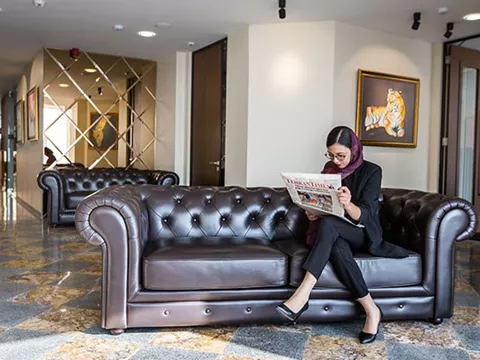
A workplace does more than provide desks, chairs and internet access. It shapes how employees begin their day, interact with colleagues, meet clients and perceive the organisation they work for.
A poorly maintained or unsuitable office may create frustration through noise, unreliable facilities, limited meeting space and an unprofessional atmosphere. At the other extreme, committing to a large conventional office can leave a growing business carrying rent, fit-out and maintenance costs that no longer match its needs.
A flexible workplace environment offers a middle ground. By choosing a professionally managed serviced office, businesses can provide employees with a polished, equipped and supported place to work without funding every element of the office independently.
This creates an opportunity to support employee morale while keeping property commitments and operating costs adaptable.
The Workplace Sends a Message to Employees
Employees form opinions about their workplace through repeated daily experiences.
They notice when meeting rooms are difficult to book, the internet is unreliable, kitchen facilities are poorly maintained or private conversations can be overheard. They also notice when the office is clean, comfortable, well organised and easy to use.
These details influence how employees feel about the standards of the organisation.
A professional workplace can communicate that the business values preparation, client service and the experience of its staff. It gives employees an environment in which they can focus on their responsibilities without repeatedly solving basic workplace problems.
The office does not need to be extravagant. It needs to be functional, appropriate for the work being completed and managed to a consistent standard.
Low-Cost Office Decisions Can Create Hidden Costs
Reducing property expenses is a reasonable business objective. Problems arise when cost-cutting makes the workplace less effective.
A cheaper office may initially appear attractive, but the headline rent may exclude furniture, utilities, cleaning, internet installation, maintenance, reception services and meeting-room access.
There may also be less visible consequences.
Employees may spend time reporting faults, organising supplies or preparing rooms before client meetings. Managers may become responsible for property issues that have little connection to their core role. Teams may avoid using the office because it does not provide a better working experience than home.
The true cost of an office therefore extends beyond rent. It includes the time, attention and administrative effort required to keep the space operational.
What Makes a Workplace Supportive?
A supportive workplace environment gives employees the practical conditions needed to complete their work professionally.
Several features contribute to that experience:
- Comfortable and appropriate work settings
- Reliable internet and workplace technology
- Clean, maintained shared areas
- Access to private rooms for calls and focused work
- Professional meeting facilities
- Reception and administrative support
- Suitable lighting, temperature and noise control
- Convenient access to refreshments and essential equipment
- A location that employees and clients can reach
- Enough flexibility to accommodate changing attendance levels
Each feature addresses a practical source of workplace friction. Together, they create a setting that allows employees to concentrate on their responsibilities rather than the limitations of the office.
Amenities should still reflect how the team actually works. A large boardroom adds little value if it is rarely used, while reliable video-conferencing facilities may be essential for a team that works across several locations.
Employee Morale Is Built Through Daily Experiences
Employee morale is influenced by leadership, workload, recognition, communication and career development. The physical workplace is one part of that broader picture.
It can still affect how employees experience the working day.
A professional environment may make collaboration easier, provide greater separation between work and home and give teams a stronger sense of connection. Employees may also feel more confident inviting clients or business partners into a well-presented office.
The reverse is also true. Persistent noise, overcrowding, poor maintenance and unreliable equipment can create avoidable frustration.
These issues may appear small individually, but repeated inconvenience can become a signal that employee time and comfort are not being considered.
A flexible office arrangement cannot compensate for weak management or unreasonable workloads. It can remove environmental problems that make those challenges harder to manage.
Professional Standards Without a Full Office Fit-Out
Creating a private office traditionally requires a substantial upfront investment.
The business may need to arrange:
- Furniture and storage
- Internet installation
- Telephone systems
- Meeting-room equipment
- Utilities and cleaning
- Reception coverage
- Repairs and maintenance
- Kitchen supplies
- Security and access systems
- Interior presentation and signage
After setup, the business remains responsible for managing these services and replacing equipment as it ages.
Flexible workspace solutions shift many of these responsibilities to the workspace provider. The business pays for access to an established environment instead of building and maintaining every component itself.
This model can be particularly useful for professional services firms, project teams, new market entrants and growing companies that need a credible workplace before they are ready to make a long property commitment.
Flexibility Helps Keep Space Aligned With Headcount
Workforce requirements can change more quickly than a conventional lease.
A business may recruit several employees, introduce hybrid work, create a temporary project team or reduce its office attendance after a major contract ends. A fixed office can become too small or unnecessarily large during these changes.
Both situations create problems.
An overcrowded workplace can increase noise, reduce privacy and make shared facilities harder to access. An oversized office leaves the business paying for unused desks, utilities and meeting rooms.
Flexible workspace solutions allow the organisation to reassess its space requirements as the team develops. This can help maintain an appropriate employee experience without committing to capacity that may not be needed in the future.
Flexibility should still be planned carefully. Businesses need to understand notice periods, access conditions, included services and the process for adding or reducing space.
Supporting Hybrid Teams Without Creating Two Standards
Hybrid work gives employees more choice over where they complete different types of work. It can also create uneven workplace experiences.
Remote employees may have quiet home offices and strong technology. Others may lack suitable space, reliable internet or privacy. The company office therefore remains important as a dependable professional base.
Employees may use it for:
- Collaborative projects
- Client meetings
- Training and onboarding
- Confidential conversations
- Focused work
- Team planning sessions
- Access to equipment and support
- Building relationships with colleagues
These activities require more than rows of desks.
Businesses can use flexible coworking options to give employees access to professional facilities while avoiding a large permanent footprint. This may suit organisations with changing attendance patterns, distributed teams or employees who need office access on selected days.
A clear workspace policy is still important. Employees should understand when office attendance is expected, how facilities are booked and which arrangements are available to them.
The Office Also Affects Client Confidence
Employees are not the only people who judge the workplace.
Clients may visit for consultations, presentations, negotiations and project meetings. The office becomes part of the overall experience they have with the business.
A professional reception area, organised meeting room and reliable technology help employees host those interactions with confidence. Staff do not need to apologise for missing equipment, poor connectivity or an unsuitable background.
This can have a positive effect on morale because employees are better equipped to represent the company professionally.
A premium address or impressive meeting room does not replace strong service. It supports the service by providing an appropriate setting for the conversation.
Workplace Support Reduces Administrative Distractions
Managing an office creates a steady flow of small responsibilities.
Someone must report maintenance issues, receive visitors, coordinate meeting rooms, monitor supplies and communicate with service providers. In a small company, these tasks often fall to employees whose main responsibilities lie elsewhere.
The interruption may appear minor, but repeated workplace administration can reduce productive time.
A managed office environment provides a clear point of responsibility for many day-to-day issues. Employees can report a fault or request assistance without becoming responsible for coordinating the entire solution.
This allows managers and team members to focus on clients, projects and business operations rather than property management.
Amenities Should Serve a Business Purpose
Amenities can strengthen the workplace experience, but more is not always better.
The most valuable facilities are those that remove friction or support the way employees work. A quiet room may matter more than elaborate décor. Reliable coffee, printing and meeting technology may provide more daily value than an amenity used once a month.
Before paying for additional features, businesses should consider:
- How frequently employees will use them
- Which workplace problems they solve
- How they support the company’s work patterns
- If they are included in the workspace fee
- If equivalent facilities can be booked when needed
- How employees currently use the office
This review helps distinguish meaningful workplace support from expensive extras.
Employees may also provide useful feedback. Asking which facilities improve their working day can guide workspace decisions without assuming that every team has the same priorities.
A Professional Environment Can Support Recruitment
Prospective employees often form an early impression of a company through the recruitment process.
An interview conducted in a professional setting can communicate organisation and stability. Candidates can picture how they would work, meet colleagues and interact with clients.
The office may also form part of the wider employment proposition, particularly for employees who value access to a central location, professional facilities or separation between home and work.
Workspace quality should not be presented as a substitute for fair pay, capable leadership or development opportunities. It is one practical element of the overall employee experience.
A flexible model allows a business to offer that element without committing to an office designed for a headcount it has not yet reached.
Questions to Ask Before Choosing a Flexible Workspace
Businesses should assess a workplace through the experiences of both employees and clients.
Useful questions include:
- Is the location practical for the team?
- Are the work areas comfortable and well maintained?
- Can employees access private spaces when needed?
- Are meeting rooms easy to reserve?
- Is the internet suitable for the company’s daily work?
- Which reception and administrative services are included?
- Can the workspace accommodate changes in headcount?
- Are there quiet areas for concentrated work?
- What costs sit outside the advertised fee?
- How quickly are maintenance and technology issues handled?
- Can employees access the office outside standard hours?
- Does the environment reflect the company’s professional standards?
The strongest option is the one that meets genuine operational needs while keeping costs clear and manageable.
A workspace tour should therefore test more than appearance. Businesses should examine how the environment would function during a normal working day.
Balancing Employee Morale and Office Overheads
Supporting employees does not require the largest office or the most expensive fit-out.
It requires thoughtful choices about the conditions employees need to work effectively. Comfort, privacy, reliability, professional facilities and responsive support often matter more than owning every part of the workplace.
Flexible workspace solutions allow businesses to access those qualities through a service model rather than a long list of separate property commitments.
The benefits of a premium serviced office extend beyond the physical workspace to include professional support, facilities and greater flexibility.
A well-chosen workplace environment can support employee morale, strengthen professional presentation and make office costs easier to adjust. The goal is not to spend as little as possible. It is to direct the budget towards an environment that employees can use confidently and the business can sustain.
Frequently Asked Questions